Every fall and winter, millions of people reach for vitamin C when they feel a cold coming on. But does vitamin C actually boost your immune system? How much do you need? And does taking 1,000 mg a day really help?
Vitamin C, also called ascorbic acid, is an essential nutrient that plays several important roles in immune function. It helps maintain the body’s physical barriers, supports white blood cells, and provides antioxidant protection during immune responses.
However, vitamin C isn’t a magic cure for colds or infections. The evidence suggests that regular vitamin C intake may modestly reduce the duration and severity of colds, while taking it only after symptoms appear provides much less consistent benefits.
This guide explains how vitamin C supports the immune system, how much you need each day, whether 1,000 mg is too much, vitamin C and zinc benefits, food sources, side effects, and what the research actually shows.
What Is Vitamin C?
Vitamin C is a water-soluble essential vitamin, meaning your body cannot produce it on its own and must get it from food or supplements.
Unlike fat-soluble vitamins such as vitamins A, D, E, and K, vitamin C isn’t stored in large amounts in the body. Excess amounts are primarily eliminated through urine.
Vitamin C is best known for immune support, but it also plays important roles in:
- Collagen production
- Wound healing
- Skin health
- Iron absorption
- Antioxidant protection
- Normal immune cell function
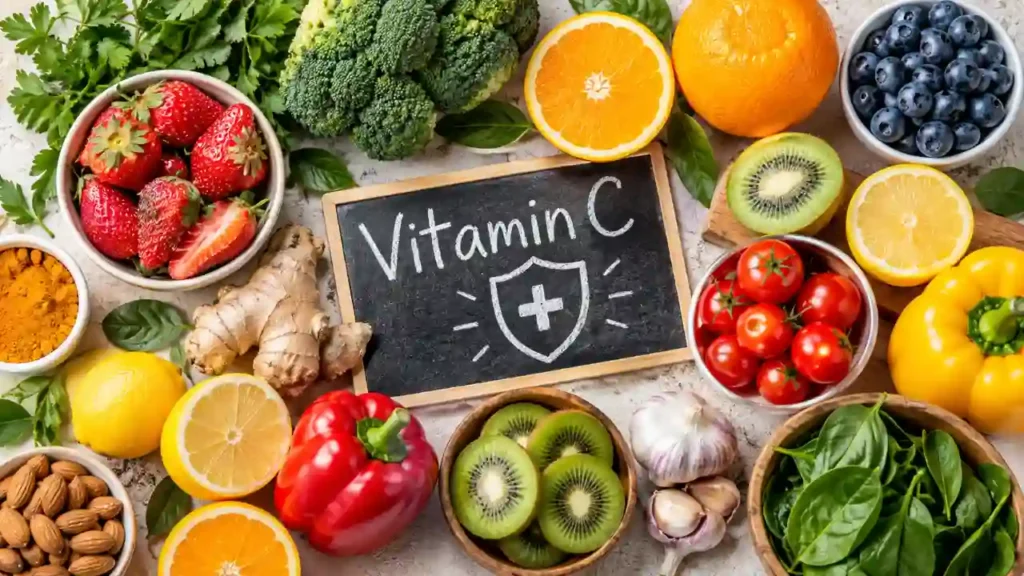
Common vitamin C foods include oranges, strawberries, kiwi, bell peppers, broccoli, potatoes, and leafy green vegetables.
How Does Vitamin C Boost the Immune System?
Vitamin C supports immune function in several different ways rather than through one single mechanism.
1. Supports the Skin and Other Physical Barriers
Your skin is one of your body’s first defenses against outside pathogens.
Vitamin C is required for collagen production, which helps maintain the structure and integrity of the skin. A healthy skin barrier can help prevent harmful microorganisms from entering the body.
2. Supports White Blood Cells
Certain immune cells, particularly neutrophils, contain relatively high concentrations of vitamin C.
Vitamin C helps support several functions of these cells, including:
- Chemotaxis, which helps immune cells move toward areas of infection
- Phagocytosis, which allows certain immune cells to engulf pathogens
- Clearance of damaged or used immune cells after an immune response
These functions are part of your body’s first-line defense against infection.
3. Provides Antioxidant Protection
Immune cells produce reactive molecules while fighting pathogens. These molecules can help destroy harmful organisms, but excessive oxidative activity can also affect healthy tissues.
Vitamin C functions as an antioxidant, helping protect cells from oxidative stress during immune activity.
4. Supports T Cells and B Cells
Vitamin C also contributes to the development and function of lymphocytes, including T cells and B cells.
These cells are important components of adaptive immunity, helping your body recognize specific threats and develop immune responses.
5. Helps Maintain Normal Immune Function
A serious vitamin C deficiency can impair normal immune function and cause scurvy.
Severe deficiency can lead to problems such as poor wound healing and increased susceptibility to infections. This demonstrates that adequate vitamin C is important for maintaining normal immune function.
How Much Vitamin C Do You Need Every Day?
The amount of vitamin C you need depends on factors such as age, sex, pregnancy, breastfeeding, and smoking status.
For adults, the recommended daily amounts are:
| Group | Recommended Daily Amount |
| Women 19+ | 75 mg |
| Men 19+ | 90 mg |
| Pregnant women | 85 mg |
| Breastfeeding women | 120 mg |
| Smokers | 35 mg more than the standard recommendation |
For many people, a balanced diet can provide enough vitamin C without requiring a supplement.
For example, citrus fruits, bell peppers, strawberries, broccoli, and other fruits and vegetables can contribute substantial amounts of vitamin C.
What Is the Upper Limit for Vitamin C?
More vitamin C isn’t necessarily better.
For healthy adults, the Tolerable Upper Intake Level (UL) for vitamin C is 2,000 mg per day from food and supplements combined.
This doesn’t mean that everyone should take 2,000 mg. The upper limit is the highest average daily intake unlikely to cause adverse health effects in most people not a recommended target.
Taking very large amounts may increase the risk of side effects, particularly digestive problems.
Does Vitamin C Help Prevent Colds?
This is one of the most common questions about vitamin C.
Research suggests that regular vitamin C supplementation does not generally prevent colds in the general population.
However, regular vitamin C intake may provide a modest benefit by reducing the duration of colds and, in some cases, their severity.
Studies have found that regular vitamin C supplementation can shorten colds by approximately:
- 8% in adults
- 14% in children
The effect is relatively modest, so vitamin C should not be viewed as a guaranteed way to prevent getting sick.
What About People Under Intense Physical Stress?
There is an important exception.
People exposed to short periods of intense physical stress, such as endurance athletes, soldiers, or people training in extreme conditions, may experience a greater reduction in cold risk when regularly consuming vitamin C.
This doesn’t mean that everyone needs high-dose vitamin C. It suggests that the potential benefits may depend partly on a person’s physical circumstances.
Does Vitamin C Work After a Cold Starts?
Taking vitamin C only after you start experiencing cold symptoms is not consistently supported by clinical research.
The stronger evidence comes from people who consume vitamin C regularly before getting sick.
In practical terms, this means:
Regular intake may provide a modest benefit, while suddenly taking a large dose after symptoms appear isn’t a proven cold treatment.
This is one reason why getting enough vitamin C consistently through your diet may be more useful than waiting until you feel sick.
Is 1,000 mg of Vitamin C a Day Safe?
A 1,000 mg vitamin C supplement is substantially higher than the adult RDA of 75–90 mg, but it remains below the 2,000 mg adult upper limit.
For most healthy adults, 1,000 mg per day is generally considered well tolerated.
However, taking 1,000 mg doesn’t mean you’ll receive 10 times the immune benefit of taking an adequate amount.
Your body’s absorption of vitamin C becomes less efficient as the dose increases, meaning that larger amounts don’t necessarily produce proportionally greater benefits.
Who May Not Need 1,000 mg of Vitamin C?
A high-dose supplement may be unnecessary if you already regularly eat foods rich in vitamin C.
For example, someone eating plenty of:
- Bell peppers
- Citrus fruits
- Strawberries
- Kiwi
- Broccoli
- Other fruits and vegetables
may already be meeting their nutritional needs.
What Happens If You Take Too Much Vitamin C?
Vitamin C is generally well tolerated, but excessive intake can cause side effects.
Common problems associated with high supplemental intake include:
- Nausea
- Diarrhea
- Stomach cramps
- Digestive discomfort
There are also specific situations where high-dose supplementation deserves additional caution.
Kidney Stones
Vitamin C is metabolized partly into oxalate. High supplemental intake may increase urinary oxalate levels, which can be relevant for people prone to certain types of kidney stones.
Iron Overload
Vitamin C increases the absorption of non-heme iron.
People with iron-overload disorders, such as hereditary hemochromatosis, should speak with a healthcare professional before taking high-dose vitamin C supplements.
Existing Medical Conditions
If you have kidney disease, a history of kidney stones, an iron-overload condition, or another relevant medical condition, discuss high-dose supplementation with a healthcare professional.
Vitamin C and Zinc: Do They Work Better Together?
Vitamin C and zinc are frequently combined in products marketed for immune support.
The two nutrients have different roles:
| Nutrient | Main Role in Immune Function |
| Vitamin C | Antioxidant protection, skin barrier support, white blood cell function |
| Zinc | Immune cell development and function |
Zinc also has its own research surrounding common colds, including studies of zinc lozenges started early during symptoms.
However, evidence that taking vitamin C and zinc together produces a dramatically greater effect than either nutrient alone is more limited.
The clearest benefit comes from correcting a deficiency when one exists.
Best Foods High in Vitamin C
For most people, food is an excellent way to obtain vitamin C while also getting fiber and other nutrients.
Top Vitamin C Food Sources
- Oranges and other citrus fruits
- Red and green bell peppers
- Strawberries
- Kiwi
- Broccoli
- Brussels sprouts
- Cauliflower
- Mango
- Papaya
- Potatoes
- Spinach and other leafy greens
Eating a variety of fruits and vegetables throughout the day can make it easier to meet your vitamin C requirements naturally.
Vitamin C Can Also Improve Iron Absorption
Vitamin C doesn’t only support immune function.
It can also improve the absorption of non-heme iron, the type of iron found primarily in plant foods.
For example, combining vitamin C-rich foods with beans, lentils, or spinach can help increase the amount of plant-based iron your body absorbs.
Some simple combinations include:
- Spinach + strawberries
- Lentils + bell peppers
- Black beans + lime
- Beans + tomatoes
Does Cooking Destroy Vitamin C?
Vitamin C is sensitive to heat, light, and prolonged storage.
Some cooking methods can reduce vitamin C content, particularly when vegetables are boiled for long periods because vitamin C can move into the cooking water.
Steaming or shorter cooking methods can help preserve more of the nutrient.
Fresh produce that is stored for shorter periods may also retain more vitamin C than produce that has been stored for a long time.
Vitamin C vs. Other Immune-Supporting Nutrients
Vitamin C is important, but it is only one part of overall immune nutrition.
| Nutrient | Main Immune Role | Storage |
| Vitamin C | Antioxidant defense, skin barrier and immune cell support | Water-soluble |
| Vitamin A | Supports mucosal barriers and immune cell development | Fat-soluble |
| Vitamin D | Helps regulate immune responses | Fat-soluble |
| Zinc | Supports immune cell development and function | Mineral |
Each nutrient has a different role, which is why a balanced diet is generally more useful than focusing heavily on a single vitamin.
Common Vitamin C Mistakes to Avoid
Taking Vitamin C Only When You Feel Sick
The evidence for taking vitamin C after symptoms begin is weaker than the evidence for regular intake.
Assuming More Is Always Better
Higher doses don’t automatically produce greater immune benefits.
Replacing Healthy Foods With Supplements
Supplements provide vitamin C, but whole foods also provide fiber and other nutrients.
Overcooking Vegetables
Long boiling can reduce the vitamin C content of some vegetables.
Ignoring Existing Health Conditions
People with kidney disease, kidney stone history, iron-overload conditions, or other relevant health concerns should talk to a healthcare professional before using high-dose supplements.
Frequently Asked Questions About Vitamin C and Immunity
Does vitamin C really boost the immune system?
Yes. Vitamin C plays several established roles in normal immune function, including supporting immune cells, maintaining the skin barrier, and providing antioxidant protection. However, it isn’t a guaranteed way to prevent infections.
How much vitamin C do I need for immune support?
Most adults need around 75–90 mg per day, depending on sex. People who smoke need an additional 35 mg per day. Many people can meet these requirements through food.
Does vitamin C prevent colds?
Regular vitamin C supplementation generally does not prevent colds in the general population. However, research suggests it may modestly reduce cold duration and severity.
Does vitamin C help if I already have a cold?
Starting vitamin C after cold symptoms appear has not consistently been shown to shorten or reduce the severity of a cold. Regular intake before illness appears to provide more consistent benefits.
Is 1,000 mg of vitamin C safe every day?
For most healthy adults, 1,000 mg per day is below the 2,000 mg upper limit and is generally well tolerated. However, more isn’t necessarily more effective, and some people may experience digestive side effects.
Can I get enough vitamin C from food?
Yes. Most people can get enough vitamin C from foods such as oranges, bell peppers, strawberries, kiwi, broccoli, and other fruits and vegetables.
Is vitamin C with zinc better than vitamin C alone?
Vitamin C and zinc support immune function through different mechanisms. Combining them can make sense when dietary intake is inadequate, but strong evidence that the combination is substantially better than either nutrient alone is limited.
Do vitamin C gummies work as well as tablets?
The vitamin C itself works the same way when the product provides an equivalent dose. Differences between gummies, tablets, and capsules usually involve ingredients, sugar content, dosage, convenience, and cost.
Can vitamin C cause kidney stones?
High supplemental vitamin C intake may increase urinary oxalate, which can be relevant to people who are prone to certain kidney stones. Anyone with a history of kidney stones should discuss high-dose supplementation with a healthcare professional.
The Bottom Line: Does Vitamin C Support Immunity?
Vitamin C does support normal immune function, but its benefits are more specific and modest than many supplement advertisements suggest.
It helps maintain the skin barrier, supports white blood cell activity, contributes to antioxidant protection, and plays a role in lymphocyte function. Adequate intake is important, particularly because vitamin C deficiency can impair normal immune function.
For most people, the best approach is simple: get enough vitamin C consistently through a varied diet and use supplements when appropriate rather than relying on extremely high doses.
Regular vitamin C intake may modestly shorten the duration of colds, but it isn’t a guaranteed way to prevent illness, and taking a large dose only after symptoms begin has limited evidence.
A healthy immune system also depends on the bigger picture including adequate nutrition, sleep, physical activity, and overall health.